Artful Prints for a Playful Bedroom: Celebrating Black Childhood
Choosing Art That Feels Like Home
Decorating a child's bedroom is a chance to fill the space with warmth, color, and personality. The right wall art can do more than just brighten a room. It can tell stories, spark imagination, and help a child feel seen. For families looking to celebrate Black culture and creativity, the choice often comes down to two approaches: abstract prints or art that directly portrays Black children. Both have their strengths, and picking between them depends on the mood you want to create and the kind of connection you hope the art will offer.
One option is abstract art - prints that use shape, color, and texture rather than literal figures. These pieces can bring energy or calm to a room without telling a specific story. The other option is representational art, such as portraits or scenes of Black children playing, reading, or dreaming. This kind of art puts the child at the center of the image, making the bedroom feel like a space that reflects who they are. Each style has its place, and many families end up mixing both.
Abstract Prints: Room to Imagine
Abstract prints work well in a playful bedroom because they leave room for a child's own imagination. A swirl of bright orange and deep blue can be a sunset, a storm, or a dance - whatever the child decides that day. These prints often use bold shapes and soft gradients that feel modern but also soothing. They can tie together the colors of the room without competing with toys, bedding, or furniture.
Another advantage of abstract art is its flexibility. It does not age quickly. A print that suits a toddler's nursery may still feel right for a six-year-old or a tween. The same cannot always be said for art with babyish characters or themes. Abstract prints also give you freedom to layer other elements. You can place a shelf of small toys or a framed photo next to an abstract piece, and the combination still looks intentional.
For a bedroom that already has a lot going on - bright walls, patterned curtains, or busy rugs - a quieter abstract print can act as a visual anchor. Look for pieces with one or two dominant hues that echo other colors in the room. This creates a sense of harmony without adding clutter.
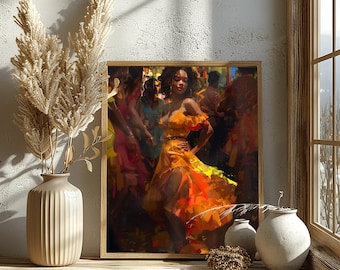
Representational Art: Seeing Yourself in the Frame
When a child sees art that looks like them, it sends a quiet but powerful message: you belong here. Prints that show Black children laughing, exploring nature, or sitting with family can make a bedroom feel like a personal sanctuary. This kind of art does not just decorate; it affirms. It says that the child's world is worth depicting, their joy worth celebrating, their dreams worth framing.
Representational art for children's rooms often focuses on everyday moments. A child blowing bubbles, a sibling reading together, a young dancer tying her shoes. These scenes are relatable without being sugary. They invite the child to imagine themselves inside the picture. Over time, the art becomes part of their story, a visual reminder of who they are and who they might become.
This approach also works well for shared bedrooms. A print of two children playing can reflect the bond between siblings. A portrait of a child with a beloved pet can comfort a little one who has a stuffed animal companion. The key is to choose images that feel authentic and warm, not staged or overly commercial.
How to Combine Both Styles
You do not have to pick one over the other. Many of the most playful bedrooms mix abstract and representational prints. A gallery wall might feature a central portrait of a child surrounded by smaller abstract squares. The contrast keeps the eye moving and adds depth. The representational piece gives the wall a focal point, while the abstract prints fill in with texture and rhythm.
When mixing styles, pay attention to scale. A large abstract print can balance a cluster of smaller portraits. Or a single big portrait can dominate one wall, while a set of three abstract prints lines the wall opposite the bed. Think about the visual weight of each piece. Dark, busy images feel heavier; light, airy ones feel lighter. Arrange them so the wall feels balanced, not top-heavy or lopsided.
Another trick is to use matching frames. Even if the art styles differ, identical frames in the same color and thickness can unify the display. White or natural wood frames work well in most children's rooms because they do not distract from the art itself.
Considering Color and Mood
Color plays a huge role in how a child experiences their room. Soft pastels like peach, lavender, or mint green can make a space feel calm and dreamy. Brighter hues like yellow, coral, or turquoise add energy and fun. If you choose art that features Black children, pay attention to the color palette of the background. A print with a warm golden backdrop can make the room feel sunny, while a cool blue background can create a serene atmosphere.
Abstract prints give you even more control over the color story. You can pick a piece that pulls from the existing palette of the room. If the bedding has stripes of teal and mustard, an abstract print with those same colors will tie everything together. Representational art, on the other hand, tends to have a more fixed color scheme. That is not a drawback - it simply means you may want to build the room's palette around the art rather than the other way around.
Size and Placement Matter
Before you buy any print, think about where it will hang. Above a crib or toddler bed, avoid anything too heavy or large that could feel looming. A medium-sized print centered over the bed works well. In a reading nook or play corner, a cluster of smaller prints can create a cozy, curated feel.
For a gallery wall, lay the prints on the floor first and experiment with the arrangement. Move them around until the spacing feels right. Leave about two to three inches between frames. This keeps the display from looking crowded while still feeling connected.
Also consider the child's age. For babies and toddlers, high-contrast images with clear shapes are easiest to see. As children grow, they may enjoy more detailed scenes or even art they can help choose. Involving older kids in the selection process can make the room feel truly theirs.
Why Representation Matters in Art
Art in a child's room is more than decoration. It is part of the environment where they learn about the world and their place in it. When the walls show faces that look like theirs, children absorb a sense of normalcy and pride. This is why family art prints that feature Black children are so valuable. They fill the room with images of joy, curiosity, and belonging.
'Black children art' is a phrase that captures this idea simply. It refers to artwork where Black children are the subjects - not as symbols or stereotypes, but as real kids doing real things. Whether it is a watercolor of a girl reading under a tree or a print of two friends chasing butterflies, this kind of art brings a sense of life and warmth that abstract pieces alone cannot match.
That said, abstract art has its own role. It can introduce children to concepts like composition, mood, and color theory without words. A child who grows up surrounded by thoughtful abstract prints may develop an early appreciation for visual art. The two styles do not compete. They complement each other.
Making the Final Choice
Start by thinking about the feeling you want the room to have. If you want a calm, flexible space that can grow with the child, lean toward abstract prints in soft, neutral tones. If you want the room to celebrate the child's identity and culture, choose representational art that centers Black childhood. In many cases, a mix of both gives the best result: a room that is both playful and meaningful, stylish and personal.
Look for art that speaks to you, not just art that matches the curtain color. Trust your instincts. A print that makes you smile or feel a little emotional will probably do the same for your child. The bedroom is their world for a few years. Fill it with images that make that world feel big, beautiful, and full of possibilities.